
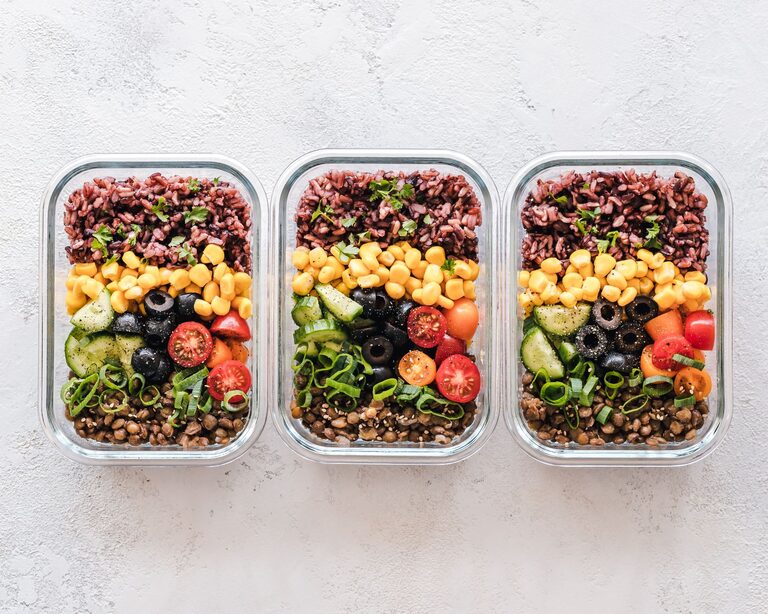
Planning balanced meals does not have to mean following a strict schedule, counting every ingredient, or cooking something different every day. A simple approach can help you make satisfying meals while saving time, reducing food waste, and making grocery shopping easier.
The goal is not perfection. It is to create a flexible routine that works with your time, budget, preferences, and energy level.
Start with a simple meal formula
A balanced meal usually includes a few basic parts:
– A protein source
– A carbohydrate or grain
– Vegetables or fruit
– A source of healthy fat
– Water or another drink you enjoy
This formula is flexible. For example, a meal could include roasted chicken, rice, steamed vegetables, and a simple sauce. Another option might be beans, whole-grain toast, sliced tomatoes, avocado, and fruit.
You do not need to include every part in exactly equal amounts. Think of the formula as a helpful guide rather than a set of rules.
Use familiar foods
Planning becomes easier when you build meals around foods you already like. Choose a few dependable options in each category:
– Proteins: eggs, beans, lentils, chicken, fish, tofu, yogurt, or cheese
– Grains and carbohydrates: rice, potatoes, oats, pasta, bread, or tortillas
– Produce: fresh, frozen, canned, or dried fruits and vegetables
– Fats and flavorings: nuts, seeds, olive oil, avocado, sauces, or dressings
Familiar ingredients reduce decision-making and make it easier to prepare meals without searching for complicated recipes.
Plan a few meals at a time
Planning an entire week in detail can feel overwhelming. Instead, start with three or four main meals. You can repeat meals, use leftovers, or keep a couple of nights open for takeout, social plans, or last-minute changes.
A simple weekly outline might include:
– Two easy dinners
– One meal that makes leftovers
– One quick option for a busy day
– One flexible meal using food already at home
For breakfast and lunch, choose a small rotation rather than planning something new every day. For example, breakfast could alternate between oatmeal, eggs and toast, and yogurt with fruit. Lunch could include leftovers, sandwiches, grain bowls, or soup.
Repeating favorite meals is not a lack of creativity. It is a practical way to make daily choices easier.
Build meals around one main ingredient
One useful planning method is to choose a main ingredient and use it in different ways throughout the week. This can save both time and money.
For example, cooked beans might become:
– A filling for tacos
– Part of a grain bowl
– An ingredient in soup
– A spread for toast
– A topping for a salad
You can use the same approach with roasted vegetables, cooked rice, shredded chicken, baked tofu, or hard-boiled eggs. Preparing one or two basic ingredients ahead of time gives you a head start without requiring a full meal-prep session.
Prepare ingredients, not complete meals
Some people enjoy cooking several complete meals in advance. Others find it tiring. If full meal preparation feels like too much, prepare only a few ingredients.
Helpful options include:
– Washing and cutting vegetables
– Cooking a pot of rice or pasta
– Preparing a simple sauce
– Portioning nuts or snacks
– Boiling eggs
– Roasting a tray of vegetables
– Washing fruit and storing it where it is easy to see
This approach keeps meals flexible. You can combine the ingredients differently depending on what you want each day.
Keep quick options available
Busy days are easier when you have meals that require little preparation. A well-stocked kitchen does not need to be large or expensive. Focus on a few foods with a long shelf life and a few convenient fresh or frozen choices.
Useful staples may include:
– Canned beans or lentils
– Frozen vegetables
– Eggs
– Whole-grain bread or tortillas
– Rice, oats, or pasta
– Canned fish or shelf-stable protein options
– Yogurt or cheese
– Jarred tomato sauce
– Nuts and seeds
– Fresh fruit
A quick meal could be pasta with tomato sauce, beans, and frozen vegetables. Another could be scrambled eggs with toast and fruit. These meals may be simple, but they can still be filling and varied.
Make grocery shopping easier
A grocery list is most useful when it reflects your actual plans. Before shopping, check the refrigerator, freezer, and pantry. This helps you avoid buying duplicates and reminds you to use food you already have.
Organize your list by category:
Produce
Choose a mix of fresh and frozen items. Fresh produce is useful for snacks and quick meals, while frozen vegetables can be stored longer and cooked when needed.
Proteins
Select two or three options for the week. Include foods that fit your schedule, such as canned beans for quick meals or eggs for fast breakfasts.
Grains and other staples
Add the ingredients that will form the base of your meals, such as rice, potatoes, oats, pasta, bread, or tortillas.
Flavor boosters
Sauces, herbs, spices, lemon juice, salsa, and dressings can make basic ingredients feel different from one meal to the next.
Try not to shop for too many new recipes at once. A shorter list of ingredients you will actually use is usually more helpful than a cart full of ambitious plans.
Plan for busy and low energy days
A good meal plan should include easier choices. If your plan assumes that you will have plenty of time and energy every night, it may become difficult to follow.
Create a short list of “no-stress meals,” such as:
– Soup with toast and fruit
– A baked potato with beans and vegetables
– A sandwich with a side salad
– Rice with eggs and frozen vegetables
– A store-bought roasted chicken with simple sides
– A snack-style plate with cheese, crackers, fruit, and vegetables
These options can prevent last-minute decisions and help you avoid feeling that a meal only counts if it is made from scratch.
Use leftovers creatively
Leftovers do not have to be eaten in exactly the same way. Change the presentation or add one fresh ingredient to make them feel new.
Roasted vegetables can be added to a sandwich, omelet, or grain bowl. Cooked chicken can become a soup, salad topping, or taco filling. Extra rice can be combined with vegetables and eggs for a quick skillet meal.
Store leftovers in clear containers and label them with the date. Keeping them visible makes it easier to remember what is available.
Leave room for flexibility
Plans often change. You may have unexpected work, a social invitation, or less energy than expected. A flexible meal plan can adapt without feeling like it has failed.
Consider leaving one or two meals unplanned each week. You can use those meals for leftovers, dining out, or ingredients that need to be used soon.
It can also help to have a backup plan for each day. If you planned to cook a recipe but do not feel up to it, choose a simpler meal using some of the same ingredients.
Keep the process simple
Start with one planning habit, such as writing down three dinners before grocery shopping. Once that feels comfortable, add another habit, like preparing one ingredient in advance.
A balanced meal plan should support your life, not take it over. Choose foods you enjoy, use shortcuts when they help, and allow meals to be imperfect. With a few reliable ingredients and flexible routines, planning balanced meals can become a calm, practical part of your week.