
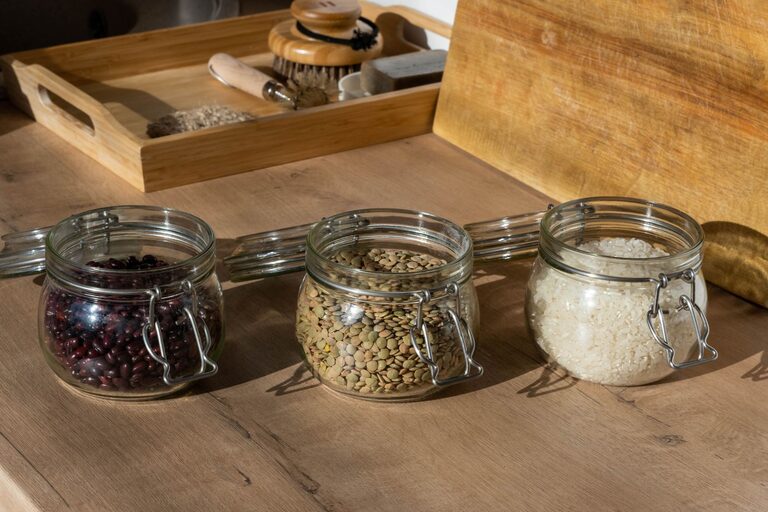
Planning meals from pantry staples can make cooking easier, reduce grocery costs, and help you use the food you already have. With a few basic ingredients, you can create a variety of meals without following a complicated recipe every night.
The key is to think in flexible combinations rather than fixed dishes. Grains, beans, canned vegetables, sauces, spices, and a few fresh ingredients can become soups, bowls, pasta dishes, casseroles, and more. A simple system helps you see what is available and turn it into a practical meal plan.
Start with a Pantry Inventory
Before planning meals, take a quick look at what you have. You do not need a perfect inventory with exact quantities, but it helps to group items by type.
Common pantry categories
– Grains: rice, pasta, oats, couscous, quinoa, and breadcrumbs
– Canned goods: beans, tomatoes, corn, peas, fruit, and broth
– Dry goods: lentils, dried beans, flour, and baking ingredients
– Sauces and condiments: pasta sauce, salsa, soy sauce, vinegar, and mustard
– Flavorings: cooking oil, spices, herbs, garlic, and onions
– Shelf-stable proteins: canned tuna, canned chicken, peanut butter, and nuts
Also check the refrigerator and freezer. Eggs, cheese, frozen vegetables, tortillas, and leftover cooked meat can turn a basic pantry meal into something more filling.
As you check each item, note what should be used soon. Put older products toward the front of the shelf and newer ones behind them. This first-in, first-out approach makes it easier to prevent food from being forgotten.
Choose a Simple Meal Structure
A meal structure gives you a starting point when you are not sure what to cook. One useful formula is:
Base + protein + vegetables + sauce or seasoning
For example, rice can be combined with beans, frozen vegetables, and salsa. Pasta can be paired with canned tomatoes, lentils, and Italian seasoning. Oats can become breakfast with peanut butter, fruit, and cinnamon.
This structure is flexible because each part can be replaced with a similar ingredient. If you do not have rice, use pasta or couscous. If you are out of beans, try lentils, eggs, or canned fish. If fresh vegetables are limited, use frozen or canned vegetables.
You can also use this formula for different types of meals:
– Bowl: rice, beans, vegetables, and salsa
– Soup: broth, beans, tomatoes, vegetables, and spices
– Pasta dish: pasta, sauce, vegetables, and protein
– Wrap: tortillas, beans, rice, vegetables, and a flavorful spread
– Skillet meal: potatoes or grains, vegetables, and eggs or beans
Build a List of Reliable Pantry Meals
Create a short list of meals that use ingredients you often keep on hand. These meals should be easy to adjust and should not require one specific ingredient.
Pantry meal ideas
Tomato and bean pasta: Cook pasta and combine it with canned tomatoes, beans, garlic, and dried herbs. Add cheese if available.
Rice and bean bowls: Serve cooked rice with beans, corn, salsa, and any fresh or frozen vegetables. Add avocado, yogurt, or shredded cheese if you have them.
Lentil soup: Simmer lentils with broth or water, canned tomatoes, onions, carrots, and spices. Add pasta or rice for a heartier version.
Tuna or chickpea salad: Mix canned tuna or chickpeas with mayonnaise, mustard, vinegar, or yogurt. Serve it on bread, crackers, greens, or tortillas.
Simple vegetable curry: Simmer canned tomatoes or coconut milk with chickpeas, frozen vegetables, and curry powder. Serve with rice or flatbread.
Breakfast-for-dinner skillet: Cook potatoes or rice with vegetables, then add eggs. Finish with cheese, hot sauce, or herbs.
Keeping these ideas in mind makes planning faster. You can also write them on a note inside a cabinet or save them in a phone list.
Plan Around Ingredients, Not Just Recipes
When making a weekly plan, choose ingredients that can appear in several meals. This helps you avoid buying food for only one recipe.
For example, a large batch of rice might be used in a grain bowl one day, added to soup another day, and turned into fried rice later. A can of beans can be used in tacos, salad, soup, or pasta. A jar of tomato sauce can serve as a pasta topping, pizza base, or soup ingredient.
Try selecting:
– Two or three bases, such as rice, pasta, potatoes, or tortillas
– Two proteins, such as beans, lentils, eggs, tuna, or chicken
– Three vegetables, using a mix of fresh, frozen, or canned options
– Two or three sauces or flavor profiles
– One or two flexible extras, such as cheese, nuts, or fresh herbs
This approach creates variety while keeping the shopping list manageable.
Add Fresh Items Strategically
Pantry meals become more enjoyable when paired with a few fresh ingredients. You do not need a large produce haul. Choose items that can be used in several ways and that store well.
Useful options include:
– Onions and garlic for flavor
– Carrots and cabbage for soups, bowls, and stir-fries
– Potatoes for roasting, soups, and skillet meals
– Apples or oranges for snacks and breakfast
– Lemons or limes for sauces and dressings
– Leafy greens for salads, wraps, and pasta
– Fresh herbs for finishing dishes
When buying fresh foods, think about when you will use them. Plan delicate greens and berries earlier in the week, while sturdy vegetables can be saved for later meals.
Use a Weekly Planning Template
A basic weekly plan does not need to assign a different recipe to every day. Instead, plan a few main components and combine them in different ways.
For example:
– Monday: rice and bean bowls
– Tuesday: tomato lentil soup with toast
– Wednesday: leftover rice turned into fried rice
– Thursday: pasta with vegetables and beans
– Friday: tortillas filled with leftover ingredients
You can prepare some components in advance, such as cooked rice, roasted vegetables, boiled eggs, or a pot of beans. Store them safely in the refrigerator and use them within a reasonable time. Preparing components rather than complete meals gives you more flexibility.
It is also helpful to include one simple backup meal. Oatmeal, scrambled eggs, canned soup, or pasta with sauce can fill the gap when plans change.
Keep Flavors Interesting
The same basic ingredients can taste different when you change the seasonings. Try organizing meals by flavor style:
– Italian-inspired: tomatoes, basil, oregano, garlic, and Parmesan
– Southwestern-inspired: beans, corn, salsa, cumin, and chili powder
– Asian-inspired: soy sauce, ginger, sesame oil, and rice vinegar
– Mediterranean-inspired: chickpeas, lemon, oregano, olives, and yogurt
– Comfort food: broth, potatoes, onions, cheese, and dried herbs
You do not need every ingredient in a flavor profile. Even one sauce, spice blend, or finishing ingredient can make a familiar meal feel new.
Check Your Plan Before Shopping
After creating the meal plan, compare it with your pantry inventory. Make a short shopping list of only the ingredients that are missing or running low.
Before adding an item, ask:
– Can I replace it with something I already have?
– Will I use the entire package?
– Can it work in more than one meal?
– Is there a shelf-stable or frozen alternative?
– Do I need it for the recipe, or is it optional?
This final check helps prevent duplicate purchases and keeps the plan realistic.
Make Room for Flexibility
Meal planning is a guide, not a strict schedule. Ingredients may run out, plans may change, or leftovers may need to be used sooner than expected. Build flexibility into the week by choosing meals that can share ingredients and by keeping one or two quick options available.
The goal is not to create perfect meals every day. It is to make cooking easier, use what you have, and reduce the number of decisions you need to make. With a basic inventory, a few reliable meal formulas, and a flexible weekly plan, pantry staples can provide the foundation for satisfying and varied meals.