
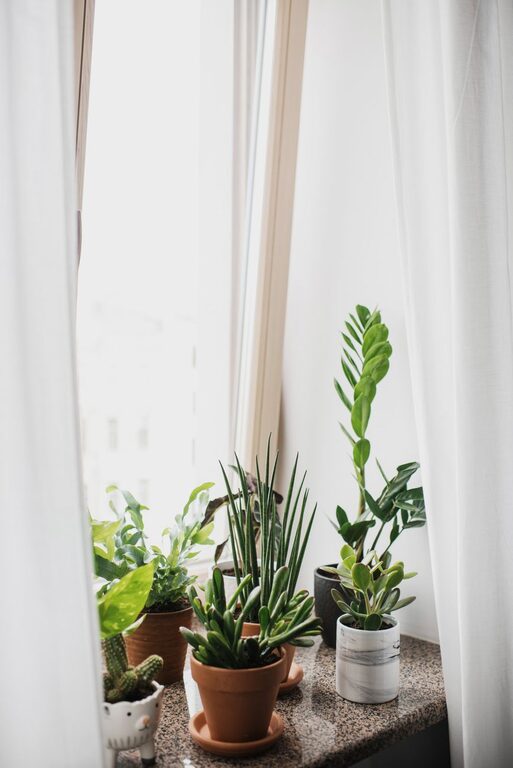
Plants are one of the easiest ways to refresh a home. They add color, texture, and natural interest without requiring a major renovation. A few well-placed plants can make a room feel brighter and more welcoming, while larger plants can help define empty corners or open spaces.
The best results come from choosing plants that suit your home, your style, and the amount of care you can provide. With a little planning, you can create a green and inviting space in almost any room.
Start by Looking at Your Space
Before buying plants, take a quick tour of your home. Notice where natural light enters, which areas feel empty, and where a plant would be easy to water and maintain.
Consider these questions:
– Which rooms receive bright, indirect light?
– Are there darker corners that need a low-light plant?
– Do you have windowsills, shelves, or open floor space?
– Will the plant be near a heater, air vent, or drafty door?
– How much time do you want to spend on plant care?
A plant should fit naturally into its surroundings. Avoid placing a sun-loving plant in a dark hallway or a delicate plant next to a heat source. Matching the plant to the space is often more important than choosing the most fashionable variety.
Choose Plants for Different Light Levels
Light is one of the most important factors in indoor plant care. You do not need to measure it precisely, but it helps to understand the general conditions in each room.
Bright Light
Rooms with several hours of sunlight are suitable for plants that enjoy bright conditions. Place these plants near a sunny window, but watch for signs of stress such as pale leaves or dry, brown edges.
Good choices may include:
– Aloe
– Jade plants
– Snake plants
– Some varieties of ficus
– Herbs grown in small containers
If direct sunlight is especially strong, use a sheer curtain to soften it. Rotate containers every few weeks so plants grow evenly instead of leaning toward the window.
Medium or Indirect Light
Many popular houseplants prefer bright, indirect light. This means the room is well lit, but the plant is not sitting in intense direct sun.
Consider:
– Pothos
– Spider plants
– Heartleaf philodendrons
– Chinese evergreen
– Peace lilies
These plants can work well in living rooms, bedrooms, and home offices with nearby windows.
Low Light
Low light does not mean no light. Plants still need some natural or artificial light to grow. For darker areas, choose hardy plants that can tolerate less sunlight.
Options include:
– Snake plants
– ZZ plants
– Cast iron plants
– Some dracaena varieties
Keep an eye on growth and leaf color. If a plant becomes thin, weak, or unusually pale, move it closer to a light source.
Use Plants to Improve Each Room
Different rooms offer different decorating opportunities. Instead of placing plants randomly, think about how they can support the function and style of each space.
Living Room
The living room is often the best place for a larger statement plant. A tall plant in an empty corner can add height and balance to furniture. Smaller plants can sit on a coffee table, bookcase, or side table.
Try combining different shapes:
– Tall, upright leaves for height
– Trailing vines for movement
– Broad leaves for a bold look
– Small, compact plants for detail
Leave enough space around each plant so the room does not feel crowded.
Kitchen
The kitchen is a natural place for small plants and fresh herbs. Place herbs such as basil, mint, or rosemary near a bright window. Use matching containers to create a neat display, or group several small pots on a tray.
Plants can also soften hard surfaces such as counters, tile, and stainless steel. Keep containers away from hot stovetops and areas where they may be splashed with cooking grease.
Bedroom
A simple plant on a nightstand, dresser, or windowsill can make a bedroom feel more relaxed and finished. Choose plants with a tidy shape if you want a calm, uncluttered appearance.
Avoid filling every surface. One or two carefully placed plants can have more impact than a crowded collection.
Bathroom
Bathrooms can be suitable for plants that enjoy humidity, especially when they have a window. Ferns and other moisture-loving varieties may work well in a bright bathroom.
If the room has little natural light, choose a durable plant and move it to a brighter area periodically. Good airflow is also important, since consistently damp conditions can encourage problems with leaves and soil.
Refresh Your Containers
New pots can change the look of a plant without changing the plant itself. Choose containers that complement your existing decor.
Popular options include:
– Simple white ceramic pots
– Natural terracotta
– Woven baskets used as outer covers
– Metal containers for a modern look
– Colorful glazed pots for a playful accent
Every container should have a drainage hole, or the plant should remain in a plastic nursery pot placed inside a decorative cover. Excess water needs a way to escape. Empty any water that collects in a saucer or outer container.
For a coordinated look, use two or three container colors throughout the room. To create a more relaxed style, mix materials while keeping the overall color palette similar.
Create Attractive Plant Groups
Grouping plants together can make a stronger visual impression than placing them separately. Use a small collection of plants with different heights and leaf shapes.
A simple arrangement might include:
– One tall plant at the back
– One medium plant in the center
– One trailing plant near the edge
– A small decorative object to complete the display
Plant stands are useful when you want to add height without placing plants on furniture. A ladder shelf can also display several plants while using vertical space.
Keep groups slightly open so each plant has room for air circulation and maintenance. Do not place leaves directly against walls, curtains, or other plants.
Add Plants Without Creating Clutter
Plants should make your home feel fresher, not more crowded. Start with one or two plants in the areas that need the most attention. Live with them for a few weeks before adding more.
Use empty corners, shelves, and windowsills, but avoid blocking walkways or covering useful surfaces. Choose plants that match the scale of the room. A large plant may overwhelm a small entryway, while several tiny plants may disappear in a large living room.
You can also refresh your space by moving existing plants. Rotate them between rooms, replace tired containers, or group them in a new arrangement.
Build Simple Care Habits
A regular care routine helps plants stay attractive. Check the soil before watering instead of following a fixed schedule. The top layer should generally feel dry for many common houseplants, but each variety has different needs.
Helpful habits include:
– Wipe dust from broad leaves
– Remove yellow or damaged leaves
– Turn pots occasionally for even growth
– Check leaves for signs of stress
– Clean saucers and outer containers
– Follow the care instructions for each plant
Keep plant labels or notes if you have several varieties with different needs. This makes it easier to remember watering, light, and seasonal adjustments.
Refresh Your Home One Plant at a Time
You do not need a large collection or an expensive makeover to bring more life into your home. Start by choosing a few plants that suit your light, available space, and daily routine. Then use containers, plant stands, and thoughtful placement to make them part of your decor.
With the right balance of color, texture, and height, plants can transform ordinary rooms into spaces that feel warmer, fresher, and more personal.